Understanding Solama Crypto Price: Key Drivers and How to Track It
Tracking the Solama crypto price starts with understanding what that number represents: the value the market currently assigns to the Solama token. Like most digital assets, Solama trades in a volatile environment, so its price can shift quickly with demand, sentiment, and news from the project itself. This guide walks through the factors that shape the token’s value, how to look up a current quote without getting misled, and what to weigh before giving Solama a place in your portfolio.
What Is the Solama Crypto Price?
The Solama crypto price reflects current market sentiment and demand for the Solama token within its ecosystem. Two related measures help you read it. Exchange rates show how the token trades against other cryptocurrencies or fiat currencies, which is where day-to-day price movements come from. Market capitalization — the total value of all Solama tokens in circulation — gives a broader snapshot of the project’s footprint and helps you gauge how investors feel about it over time.
Because token values change constantly, any single quoted price goes stale quickly. Live aggregators are the practical way to check a current figure: CoinMarketCap, for example, states that it updates its Solana (SOL) to USD price in real time. Whichever tracker you use, confirm the exact token name and ticker before relying on the quote.
Don’t Confuse Solama With Solana
Solama’s name closely resembles Solana (SOL), a project that describes itself as a high performance network powering internet capital markets, payments, and crypto applications. That similarity matters in practice: searches for Solama crypto price can surface Solana price pages from large trackers such as CoinMarketCap and Coinbase rather than Solama-specific listings. A quote for one token is not a quote for the other, so always verify that the page you are reading matches the asset you intend to research.
What Influences Solama’s Price
Several forces inside and around the project feed into the token’s value:
- Market demand and sentiment. As with any cryptocurrency, the balance of buyers and sellers — and the broader mood toward digital assets — is the most immediate driver of price.
- Technology and development updates. Progress on the Solama project roadmap and new technical developments can change how the market values the token, so following official development updates gives you early insight into its trajectory.
- Security features. Robust security measures protect digital wallets and transactions, and that protection supports the investor confidence a token needs to hold its value.
- Staking rewards. Rewards for staking incentivize holders to keep their tokens and participate in network validation, which helps secure the network and can offer additional income to token holders.
- Exchange activity. Trading volume and liquidity across the platforms where Solama changes hands reveal buying and selling patterns within the ecosystem.
Reading Market Trends
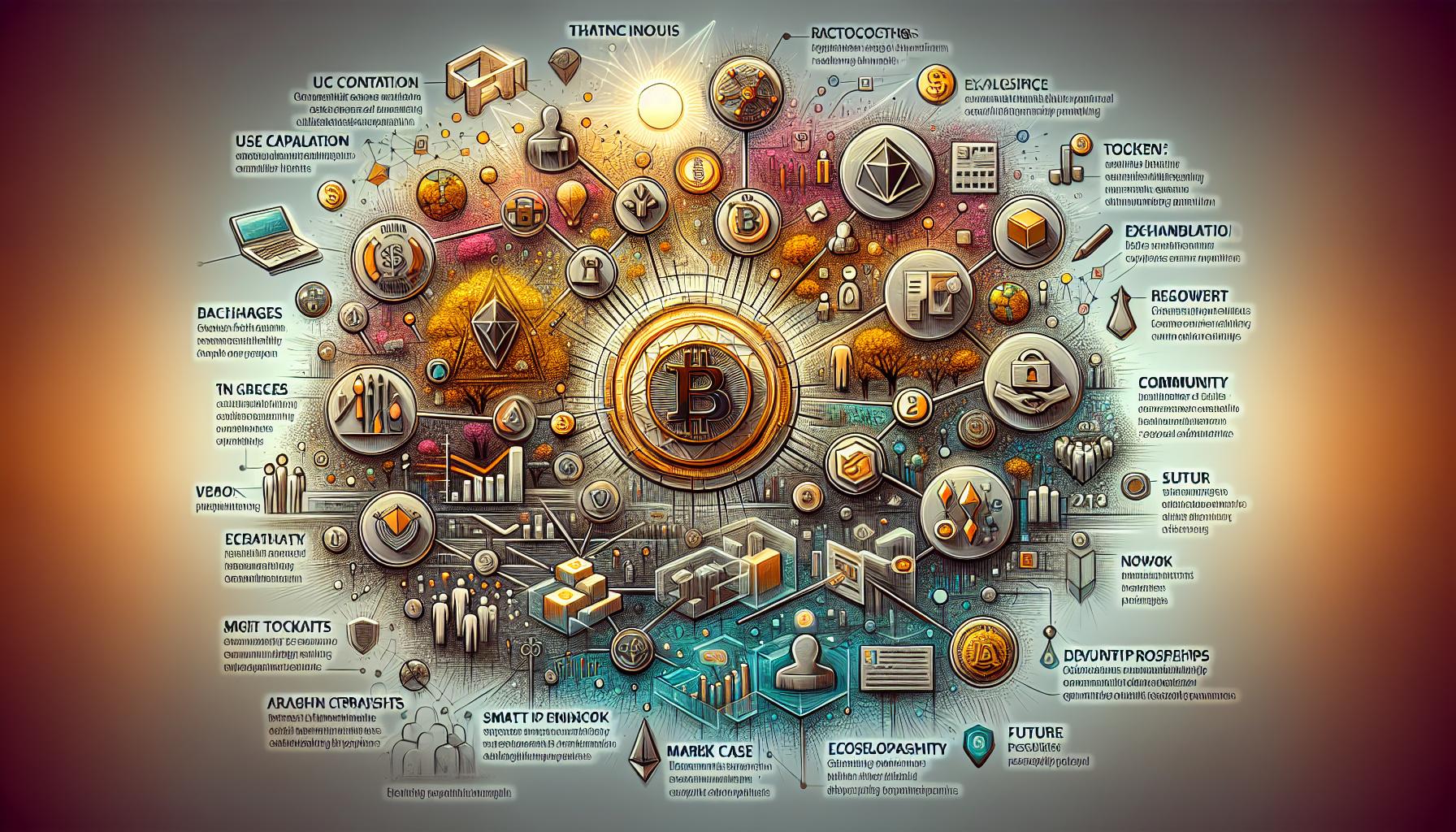
Beyond the headline price, a handful of signals help you interpret where Solama may be heading. Fluctuations in market capitalization hint at shifts in investor sentiment. Community growth signals broader adoption and interest in the project, which can feed back into demand for the token. Use case scenarios show whether the token has practical applications beyond speculation, while the governance model and ecosystem partnerships reveal how the project operates and expands within the blockchain space.
Operational qualities matter too. Network scalability and transaction speed speak to how well the platform performs as usage grows, smart contract functionality shapes what can be built on it, and regulatory compliance reduces the risk of legal setbacks while enhancing the project’s credibility with investors and stakeholders.
What It Means for Your Portfolio
If you are weighing a position in Solama, treat the price as one input among many. Diversification remains the foundation: a single volatile token should not carry your whole strategy. Review the project’s security features and the platforms where it trades to judge reliability and stability. Follow development updates and the project roadmap to assess long-term viability, and look at staking options if you want to participate more actively in the ecosystem rather than simply holding.
Above all, stay skeptical of any claim about guaranteed returns. Cryptocurrency prices move on demand, sentiment, and project execution, none of which can be predicted with certainty. Informed decisions come from current data and a clear view of the risks, not from past performance.
Final Thoughts
The Solama crypto price is shaped by demand, technology, security, staking incentives, and the health of the project’s community and ecosystem. Check live quotes on a reputable tracker, confirm you are looking at the right token, and judge the project on its roadmap, governance, and compliance rather than on short-term price swings. With those habits, you can navigate the crypto market’s volatility with a clearer head and a sturdier strategy.
Frequently Asked Questions
What is the Solama crypto price and why is it important?
The Solama crypto price is the value of Solama’s token in the market. Understanding its fluctuations helps investors make informed decisions about buying, selling, or holding the token.
How does Solama’s blockchain technology affect investment decisions?
The underlying technology influences transaction speed, security, and scalability. Investors consider these factors to gauge the network’s reliability and potential for growth.
Why are staking rewards significant for Solama investors?
Staking rewards incentivize investors to hold their Solama tokens and participate in network validation. This process helps secure the network and can offer additional income to token holders.
What role does regulatory compliance play in Solama’s appeal?
Regulatory compliance assures investors that the project adheres to legal standards, reducing risks associated with potential regulatory actions and enhancing its credibility with investors and stakeholders.


 Bitcoin
 Ethereum
 Tether
 BNB
 XRP
 USDC
 Solana
 TRON
 Figure Heloc
 Zcash
 Hyperliquid
 Dogecoin
 Monero
 USDS
 WhiteBIT Coin
 Chainlink
 LEO Token
 Cardano
 Rain
 NEAR Protocol
 Stellar
 Bitcoin Cash
 Ethena USDe
 Litecoin
 Dai
 Uniswap
 Avalanche
 Canton
 Sui
 USD1
 Gram (prev. Toncoin)
 Hedera
 Bitway
 Tether Gold
 Global Dollar
 Bittensor
 Shiba Inu
 Cronos
 PayPal USD
 Quant
 Ethena
 Ripple USD
 OKB
 Circle USYC
 Ondo US Dollar Yield
 Aave
 BlackRock USD Institutional Digital Liquidity Fund
 Ondo
 Pump.fun
 Aster